Induction Ceremony & 50th Anniversary Celebration Planned for October 2026
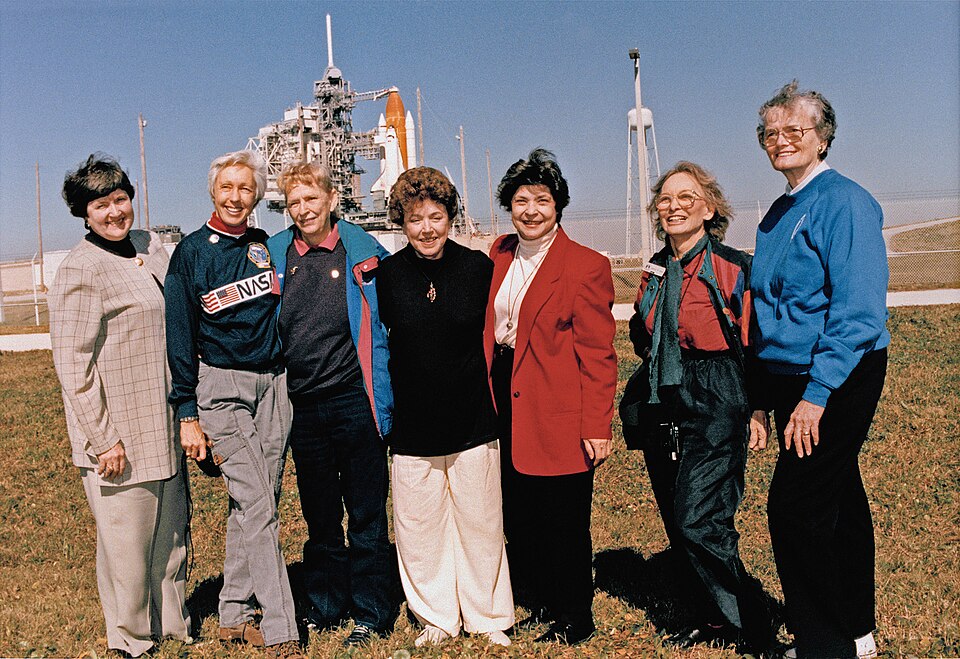
(Alamogordo, NM) — The International Space Hall of Fame Foundation (ISHFF) Induction Committee is pleased to announce that five nominees have been selected to be inducted into the International Space Hall of Fame at the New Mexico Museum of Space History (NMMSH) in Alamogordo, New Mexico. The nominees were chosen from a field of 45 outstanding candidates, whose names were submitted by individuals from across the country. The nominees are the daring women of the Mercury 13, Swiss Astrophysicist Michel Mayor, NASA Astronauts Senator Mark Kelly and his twin brother Scott Kelly, NASA mathematician Creola Katherine Johnson, and the first nurse to the astronauts, Dolores “Dee” O’Hara.
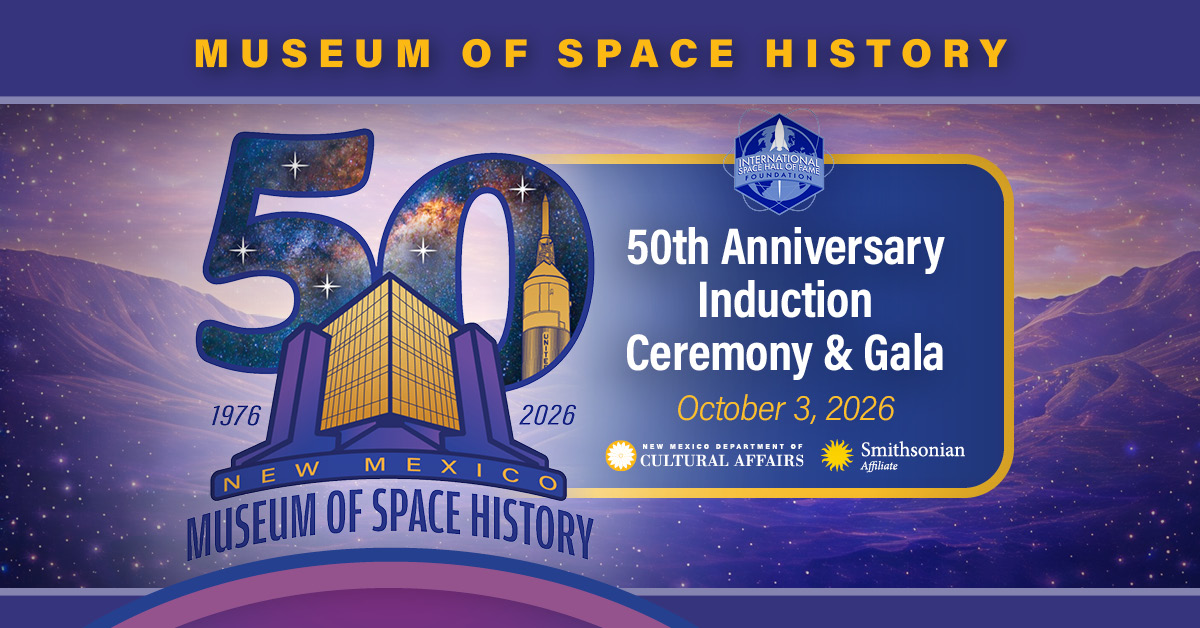
The chosen nominees have been confirmed as selectees by the Governor’s Commission to the New Mexico Museum of Space History at a special meeting held on Friday, February 27, 2026. The Induction Ceremony will be held in conjunction with the museum’s 50th Anniversary Gala on October 3, 2026.
The Induction Committee consists of co-chairs Cathy Harper, ISHFF Operations Manager, and NMMSH Curator Brianna Buller, with Museum Executive Director Karen Kincaid Brady, Museum Educators Llirmarie De Leon and Mackette Kark, Museum Education Office Manager April James, ISHFF Board Chairman Cliff Hudson and Board Member Joan Griggs, and Governor’s Commission Board Member Don Elder.
“As we celebrate our country’s 250th Anniversary and the Museum’s 50th anniversary, we felt it was important to showcase how our state has and continues to support the space program by holding an Induction Ceremony as part of our Anniversary Celebration. The International Space Hall of Fame is an integral part of the Museum designed to honor the men and women worldwide who have committed themselves to the dream of space exploration. Few people realize that southern New Mexico hosts White Sands Missile Range, the birthplace of America’s space and missile program, and one of the reasons the Museum is here today,” said Museum Executive Director Karen Kincaid Brady.
“Selecting just five people from the list of impressive and highly qualified individuals was a daunting challenge. I was excited and honored to be a part of such an important process,” said ISHFF Board Member Joan Griggs. Although only five nominees were chosen from the 45 nominations, those nominees not chosen will be held and included for consideration at future inductions.
Cliff Hudson, Chairman of the International Space Hall of Fame Foundation, commented, “Being part of the Induction Committee reinforced to me the importance of the partnership between the Foundation and Museum. Fifty years ago, our two organizations came together to open the doors of the Museum and induct some of the most important names in the space field – individuals like Yuri Gagarin, Robert Goddard, William Lovelace, and Max Valier, among others. This October we will honor another group of outstanding individuals and celebrate five decades of the “jewel of Alamogordo” – the New Mexico Museum of Space History”.
The nominees included a wide range of scientists, astronomers, engineers, medical professionals, entrepreneurs, and an actress of Star Trek fame, Nichelle Nichols. Nichols, who played Uhura in the Star Trek original series, was nominated for her work breaking racial stereotypes in the 1960s along with her dedication to Women in Motion, an organization that worked closely with NASA to recruit minority and female personnel for the space agency.
Other notables included Sir Peter Joseph Beck, founder of the successful aerospace company Rocket Lab; Nancy Grace Roman known as the “mother of the Hubble”; Virgin Galactic President Mike Moses; and NASA astronaut and educator Michelle Lucas.
About the Selectees:
The Mercury 13 were a group of thirteen American women who participated in a privately funded research program aimed to test and screen women for spaceflight from 1959-1960. Their names are Jerrie Cobb, Myrtle Cagle, Janey Hart, Rhea Hurrle (Woltman), Jean Hixson, Irene Leverton, Sarah Gorelick (Ratley), Jerri Sloan (Truhill), Bernice Steadman, Gene Nora Stumbough (Jessen), Wally Funk, Jan Dietrich, and Marion Dietrich.
The program was operated by William Lovelace II, a private contractor for NASA. Lovelace operated his clinic in Albuquerque, NM, and is an Inductee as well. Although all the candidates were accomplished pilots with over 1,000 hours of flight experience each and performed as well, and sometimes better, than their male counterparts in the tests, they were not allowed into the astronaut program due to the politics of the time. The only member of the group who made it to space, 60 years later, was Wally Funk who flew aboard a Blue Origin flight in 2021.
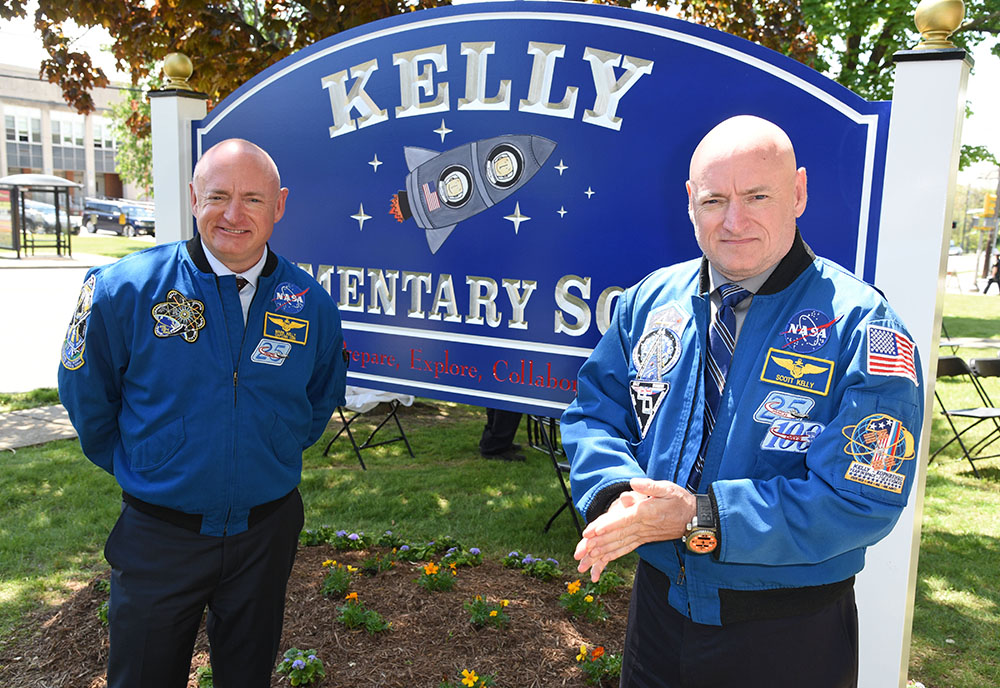
Mark & Scott Kelly, the famous astronaut twins who participated in the landmark Twins Study helped NASA researchers better understand how the human body changes from exposure to spaceflight.Ten research teams observed what physiological, molecular, and cognitive changes could happen by comparing retired astronaut Scott Kelly while he was in space, to his identical twin brother, retired astronaut Mark Kelly, who remained on Earth. NASA will use the valuable data collected for decades, helping to ensure the health and safety of the men and women who venture into space.
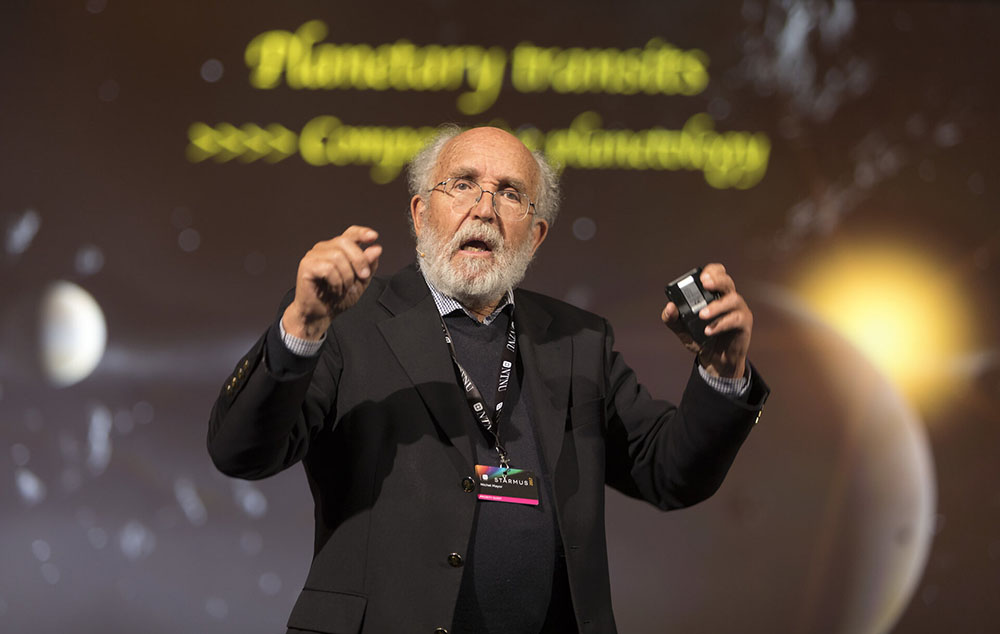
Michel Mayor is a Swiss astrophysicist and professor emeritus at the University of Geneva‘s Department of Astronomy. In 2019, Mayor, along with Jim Peebles and Didier Queloz, won the Nobel Prize in Physics along with the 2010 Viktor Ambartsumian International Prize, and 2015 Kyoto Prize. They discovered the first extrasolar planet orbiting a sun-like star, 51 Pegasi b, and were awarded the prize for the discovering the exoplanet and “contributions to our understanding of the evolution of the universe and Earth’s place in the cosmos”. Mayor’s work focused on improving instrumentation to help detect exoplanets and measure their properties. He, with others, discovered Gliese 581c, the first extrasolar planet in a star’s habitable zone, and the lightest exoplanet ever detected around a main sequence star: Gliese 581e.
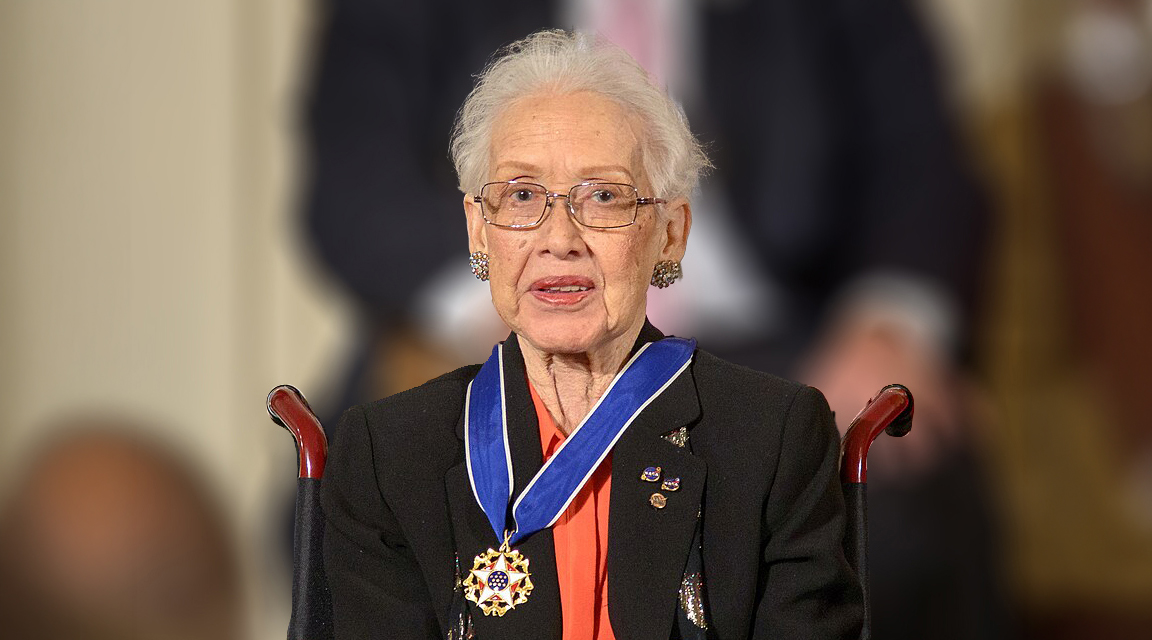
Creola Katherine Johnson is known as an American human computer. Her calculations of orbital mechanics were critical to the success of the first and subsequent U.S. crewed spaceflights. Her career spanned 33 years, starting with the National Advisory Committee for Aeronautics and continuing through NASA. Johnson pioneered the use of computers in performing tasks previously requiring humans through her mastery of complex manual calculations. She is lauded as “one of the first African-American women to work with NASA as a scientist”. She calculated trajectories, launch windows, and emergency return paths for Project Mercury, and rendezvous paths for the Apollo Lunar Module and command module. Her calculations were essential to the beginning of the Space Shuttle program, and she even worked on plans for a human mission to Mars.
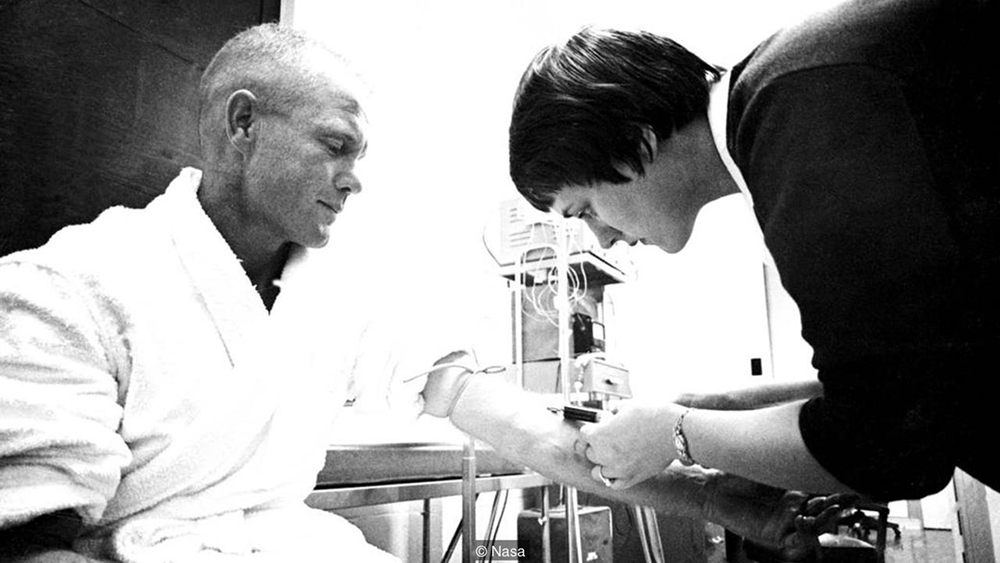
Ms. Dolores Dee O’Hara, RN became the first aerospace nurse with the astronauts of the Mercury Program in 1959 and laid the groundwork for the field of space nursing. She was the official, and only, nurse to the Mercury Seven astronauts and their families, and continued on to support the Gemini Program, Apollo astronauts, and Skylab. A graduate of Air Force officers’ training at Maxwell Air Force Base in Alabama, Second Lieutenant O’Hara was assigned to Cape Canaveral, Florida, in 1959 in support of the Mercury Program. In 1964, she resigned from the Air Force and moved to the Manned Spacecraft Center (Johnson Space Center) to set up the Medicine Flight Clinic. Throughout her career, she was part of every launch in the Mercury, Gemini, and Apollo programs. In addition, after Skylab, she was invited to participate in the Apollo-Soyuz Test Program and the first shuttle flight in 1981. Her studies in bed rest at Ames Research Center discovered physiological parallels between bed rest and spaceflight conditions, which were foundational for ground-based studies of astronaut orbital health.
The Museum opened in 1976 as The International Space Hall of Fame – dedicated to recognizing the imagination, efforts, and achievements of those who have endeavored to advance humankind’s knowledge of the universe, and its ability to explore space. To date, there are 174 inductees, including one team.
The International Space Hall of Fame Foundation (ISHFF) is a 501(c)3, non-profit corporation whose purpose is to receive and administer funds for scientific, educational, and charitable purposes including providing philanthropic support to the New Mexico Museum of Space History and its programs.
For more information, visit spacehalloffame.org or email info@spacehalloffame.org.
The New Mexico Museum of Space History in Alamogordo is a division of the New Mexico Department of Cultural Affairs, under the leadership of the Governor’s Commission to the New Mexico Museum of Space History. Programs and exhibits are supported by the International Space Hall of Fame Foundation through the generous support of donors. A Smithsonian Affiliate, the Museum is accredited by the American Alliance of Museums (AAM).
For more information, visit NMSpaceMuseum.org.